The short answer
Robotic cleaners carry their own pump and filter, so they don't load your pool's filter and many climb walls and the waterline. Suction cleaners run from your pump and send debris to the pump basket and filter. Pressure cleaners run from a return line, some with a booster pump, and catch debris in their own bag.
Side by side
| Robotic | Suction | Pressure | |
|---|---|---|---|
| Power | Own motor (cable or battery) | Your pump's suction | Your pump or a booster |
| Debris goes to | Its own filter | Pump basket and filter | Its own bag |
| Up-front cost | Highest | Lowest | Medium |
Examples
Robotic: Dolphin Nautilus; cordless: Beatbot AquaSense 2; suction: Zodiac MX8; pressure: Polaris Vac-Sweep 280.
Products mentioned
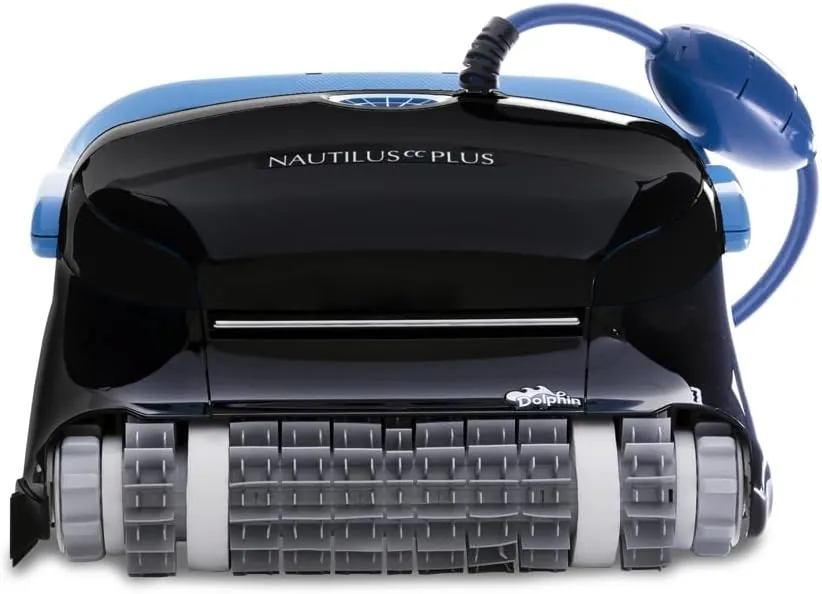
Robotic cleaner · Dolphin
Dolphin Nautilus Robotic Pool Cleaner
Robotic cleaner · In-Ground
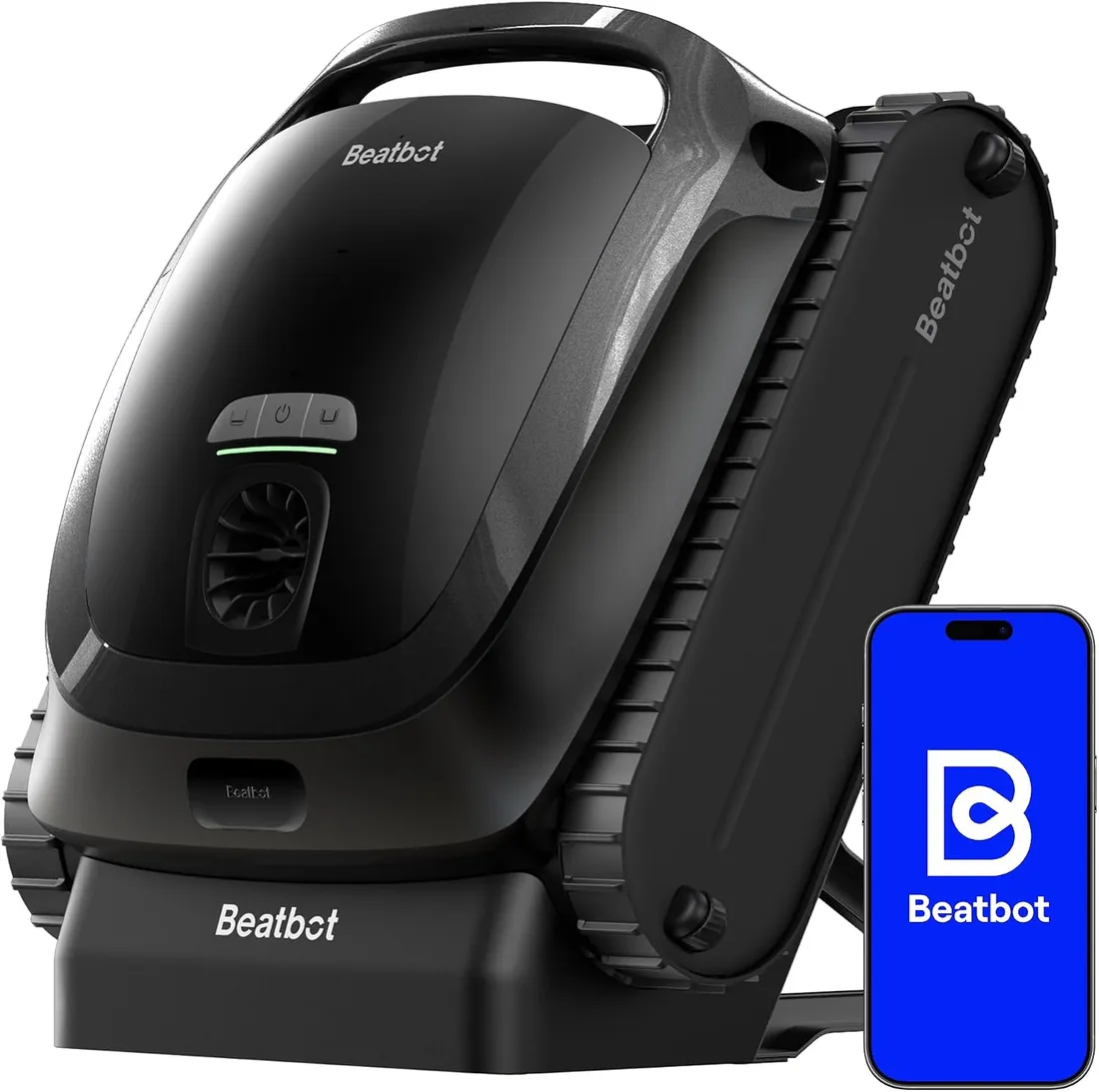
Cordless robotic cleaner · Beatbot
Beatbot AquaSense 2 Cordless Robotic Pool Cleaner
Cordless robotic cleaner · inground · 4 Hours
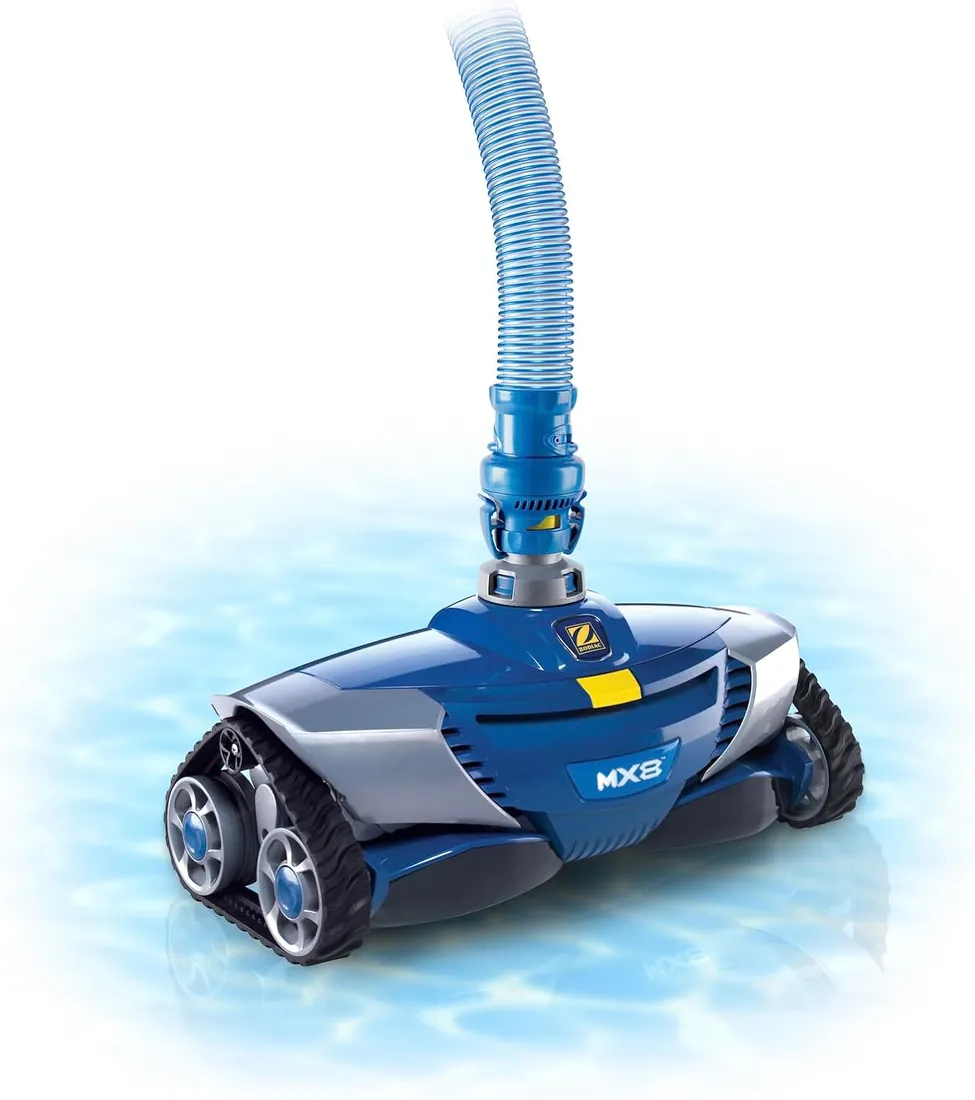
Suction-side cleaner · Zodiac
Zodiac MX8 Suction Pool Cleaner
Suction-side cleaner · In-Ground
Questions readers ask
Are robotic pool cleaners worth it?
If you want walls and waterline cleaned without loading your filter, usually yes; they cost more up front.
Do suction cleaners hurt the pump?
No, but they need enough flow and a clean filter, and they fill the pump basket faster.