The short answer
Pump power rises with roughly the cube of speed, so running at half speed for twice as long moves the same water for a fraction of the energy. DOE says variable-speed pool pump motors can cut pump energy use by about two-thirds, and its rules have required variable-speed technology on most standard-size in-ground filter pumps since 2021.
Side by side
| Single speed | Dual speed | Variable speed | |
|---|---|---|---|
| Speeds | One | High and low | Programmable range |
| Running cost | Highest | Lower | Lowest |
| Up-front cost | Lowest | Medium | Highest |
| Typical use now | Above-ground and small pumps | Above-ground | In-ground filter pumps |
Models we cover
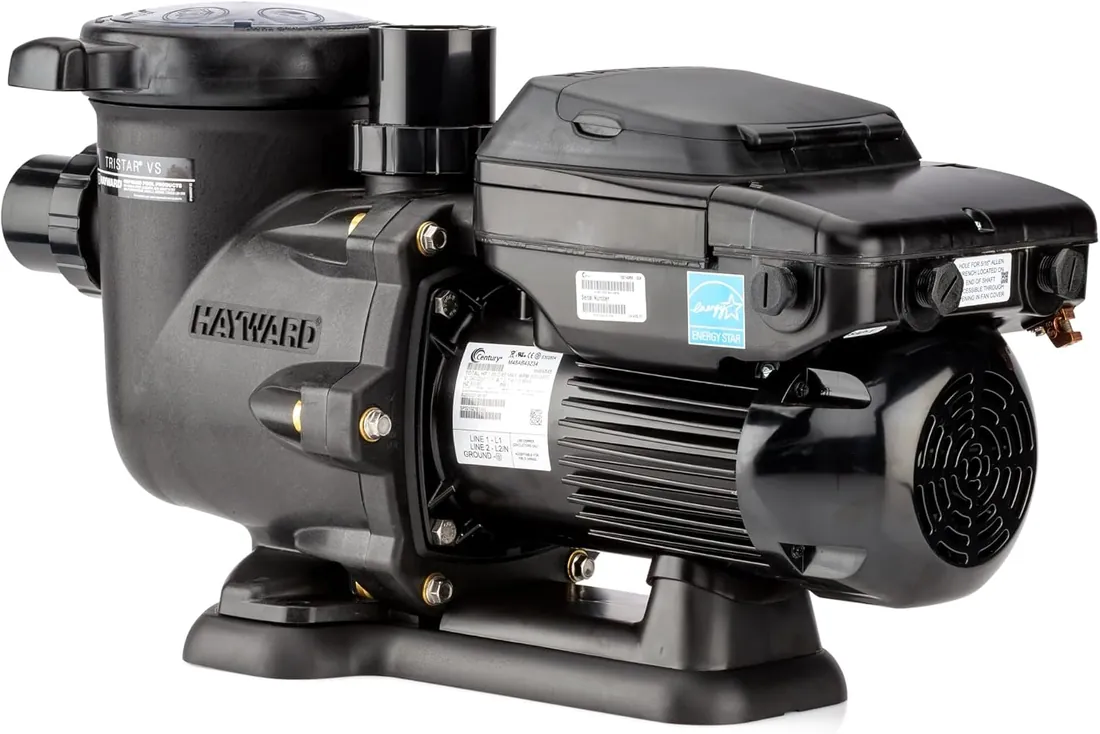
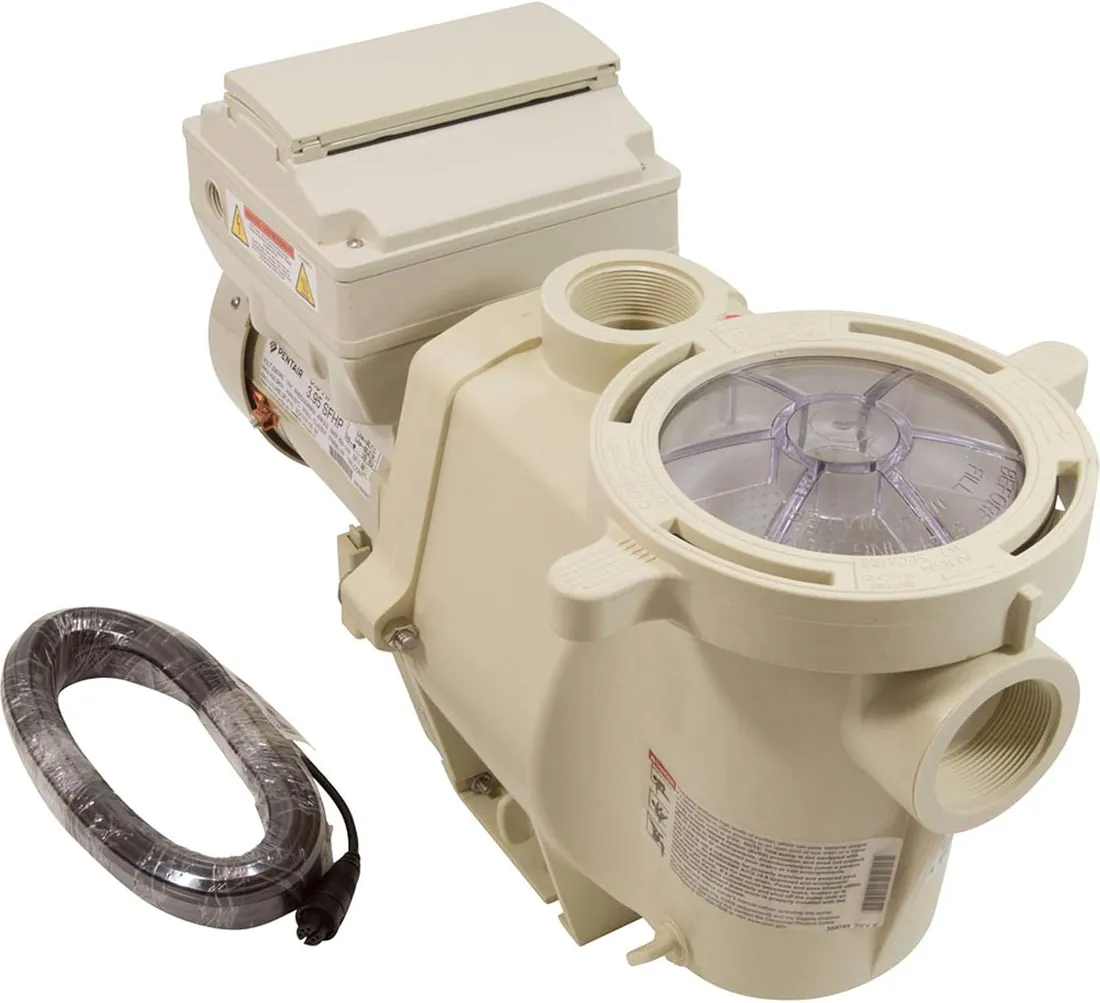
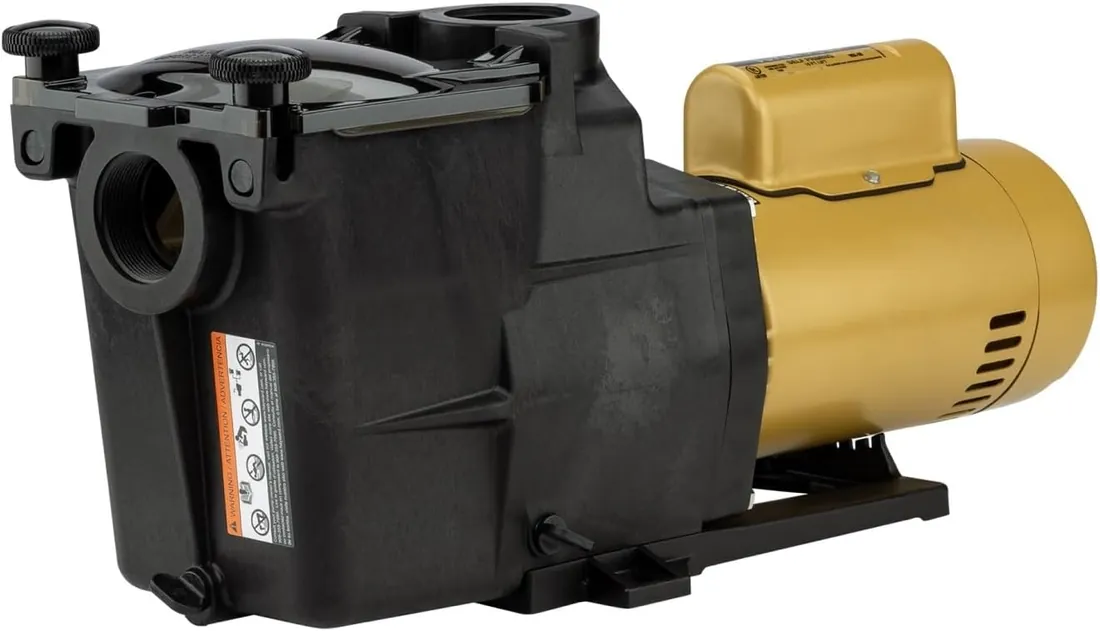
Variable speed: Hayward TriStar VS, Pentair IntelliFlo VS and Pentair SuperFlo VS. Single speed: Hayward Super Pump 1 HP.
Programming it
- Run low speed for most of the day to turn the water over.
- Schedule a short high-speed period for skimming, the cleaner or heating.
- Check heater and salt-cell minimum flow at your low speed.
Products mentioned
Questions readers ask
Is a variable-speed pool pump worth it?
For in-ground pools that run many hours a day, usually yes: it uses far less energy, and it's now the standard for most in-ground filter pumps.
Can I still buy a single-speed pump?
For above-ground pools and small pumps, yes; most standard-size in-ground filter pumps must be variable speed.